When people think about nutrition, minerals rarely come to mind first. Vitamins get the spotlight. Protein dominates fitness conversations. Carbs and fats fuel endless debate. But minerals quietly handle some of the most critical jobs in the body.
Calcium builds bones. Iron carries oxygen. Magnesium supports over 300 chemical reactions. Potassium keeps the heart beating in rhythm. Without adequate minerals, none of the body’s other systems work properly.
The good news is that a varied diet covers most mineral needs. But a few common deficiencies affect millions of people, and knowing which ones to watch for can make a real difference.
Major Minerals vs. Trace Minerals
Minerals fall into two categories based on how much the body needs.
Major minerals are needed in amounts greater than 100mg per day. These include calcium, phosphorus, magnesium, sodium, potassium, and chloride.
Trace minerals are needed in smaller amounts but are no less important. These include iron, zinc, selenium, iodine, copper, manganese, and chromium.
Both groups are essential. The distinction is purely about quantity, not importance.
The Major Minerals
Calcium
What it does: Builds and maintains bones and teeth. Also essential for muscle contraction, nerve signalling, and blood clotting.
Where to get it: Dairy products, leafy greens (especially kale and broccoli), fortified plant milks, sardines and other small fish eaten with bones, tofu made with calcium sulphate.
Who needs to pay attention: Growing teenagers, postmenopausal women, and anyone who avoids dairy. Calcium needs vitamin D to be absorbed properly, so the two work together.
This is why many experts recommend a combined D3 and K2 supplement; the K2 helps direct calcium into bones rather than soft tissue.
Magnesium
What it does: Involved in more than 300 enzyme reactions. Supports muscle and nerve function, blood sugar regulation, bone health, and sleep quality.
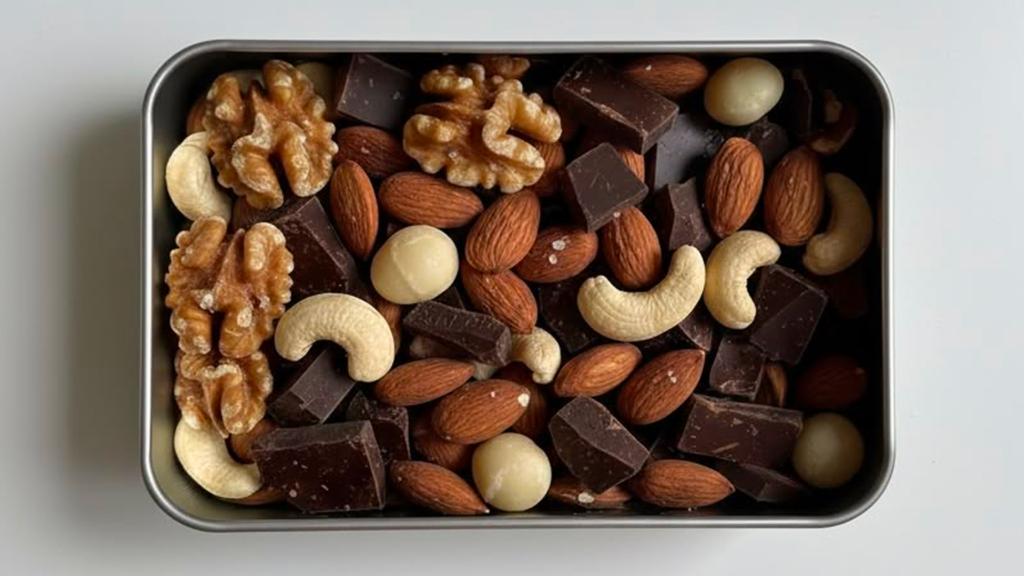
Where to get it: Leafy greens, nuts (especially almonds and cashews), seeds, whole grains, dark chocolate, and legumes.
Worth knowing: Many people in modern diets run slightly low on magnesium without realising it. Muscle cramps, poor sleep, irritability, and fatigue can all be signs. This is one of the minerals where supplementation often produces noticeable results.
If you suspect you’re running low, a well-absorbed form like magnesium glycinate is worth trying. This 3-in-1 complex combines glycinate, citrate, and malate for broad coverage.
Potassium
What it does: Regulates fluid balance, supports nerve signals, and helps muscles contract. Plays a key role in maintaining healthy blood pressure.
Where to get it: Bananas (the famous one), but also potatoes, beans, lentils, spinach, avocados, tomatoes, and oranges.
Worth knowing: Most people in Western diets consume too much sodium and too little potassium. Increasing potassium-rich foods while moderating salt intake is one of the most effective dietary changes for blood pressure.
Sodium and Chloride
What they do: Regulate fluid balance and support nerve and muscle function. They work together, which is why we consume them as table salt (sodium chloride).
Worth knowing: Deficiency is extremely rare in modern diets. The more common issue is excess. Most health authorities recommend keeping sodium below 5 to 6 grams of salt per day. Processed foods are the biggest contributor.
Phosphorus
What it does: Works alongside calcium for bone health. Also involved in energy production and cell membrane structure.
Where to get it: Meat, dairy, nuts, beans, and whole grains.
Worth knowing: Deficiency is very rare because phosphorus is present in so many foods.
The Trace Minerals
Iron
What it does: Carries oxygen in the blood through haemoglobin. Also supports energy production and immune function.
Where to get it: Red meat and liver (heme iron, which is easily absorbed). Leafy greens, legumes, and fortified cereals (non-heme iron, which is less easily absorbed). Pairing non-heme iron with vitamin C significantly improves absorption.
Who needs to pay attention: Women who menstruate, pregnant women, and vegetarians or vegans. Iron deficiency is the most common nutritional deficiency worldwide. Symptoms include persistent fatigue, weakness, pale skin, and shortness of breath.
Important: Don’t supplement iron without testing first. Unlike most nutrients, excess iron is harmful, and the body has no efficient way to get rid of it.
If testing confirms low iron, choose a gentle form that’s easier on the stomach. This natural iron supplement uses iron bisglycinate, which is well-tolerated and better absorbed than standard iron tablets.
Zinc
What it does: Supports immune function, wound healing, protein synthesis, and DNA creation. Also plays a role in taste and smell.
Where to get it: Meat, shellfish (oysters are extremely rich in zinc), legumes, seeds, and nuts.
Worth knowing: Zinc supplements can be helpful during acute illness, but long-term high-dose supplementation can cause copper deficiency. Food sources are the safest approach for daily needs.
Selenium
What it does: Functions as an antioxidant, supports thyroid hormone metabolism, and contributes to immune defence.
Where to get it: Brazil nuts (just one or two per day provides the full daily requirement), seafood, meat, and whole grains.
Worth knowing: This is one of the easiest minerals to get enough of. A small handful of Brazil nuts a few times a week covers it completely.
Iodine
What it does: Essential for thyroid hormone production, which regulates metabolism, growth, and development.
Where to get it: Iodised salt, seafood, dairy, and seaweed.
Worth knowing: Deficiency is rare in countries where salt is iodised, but people who use primarily sea salt or Himalayan salt and eat little seafood could fall short.
Copper, Manganese, Chromium
These are important but deficiencies are rare in anyone eating a varied diet. They’re found across nuts, seeds, whole grains, legumes, and vegetables. Supplementation is almost never necessary.
Signs of Common Mineral Deficiencies
Persistent fatigue: Could point to low iron, magnesium, or zinc.
Muscle cramps or spasms: Often linked to magnesium, potassium, or calcium.
Frequent illness: May indicate low zinc or selenium.
Brittle nails or hair loss: Can be associated with iron or zinc deficiency.
Poor sleep: Magnesium deficiency is a common contributor.
Bone weakness: Long-term calcium and vitamin D insufficiency.
These symptoms have many possible causes. They’re not a diagnosis on their own, but they’re worth investigating with a healthcare provider if they persist.
Food First, Always
The same principle that applies to vitamins applies to minerals: food is the best source. Whole foods provide minerals alongside other nutrients that aid absorption and utilisation. A spinach salad with lemon juice gives you iron plus vitamin C to help absorb it. Sardines on toast deliver calcium, phosphorus, and vitamin D together.
Supplements can fill genuine gaps, but they can’t replicate the full package that real food provides.
The minerals most worth monitoring are iron (especially for women and vegetarians), magnesium (widely under-consumed), calcium (for those avoiding dairy), and potassium (under-consumed relative to sodium in most Western diets).
The Bottom Line
Minerals handle some of the body’s most fundamental jobs, from oxygen transport to bone structure to nerve function. A varied diet rich in vegetables, legumes, nuts, whole grains, and quality protein sources covers most mineral needs without any conscious effort.
The gaps worth paying attention to are iron, magnesium, calcium, and potassium. If symptoms suggest a deficiency, testing is always better than guessing. And with the exception of magnesium, most mineral supplementation should be guided by actual blood work rather than assumptions.